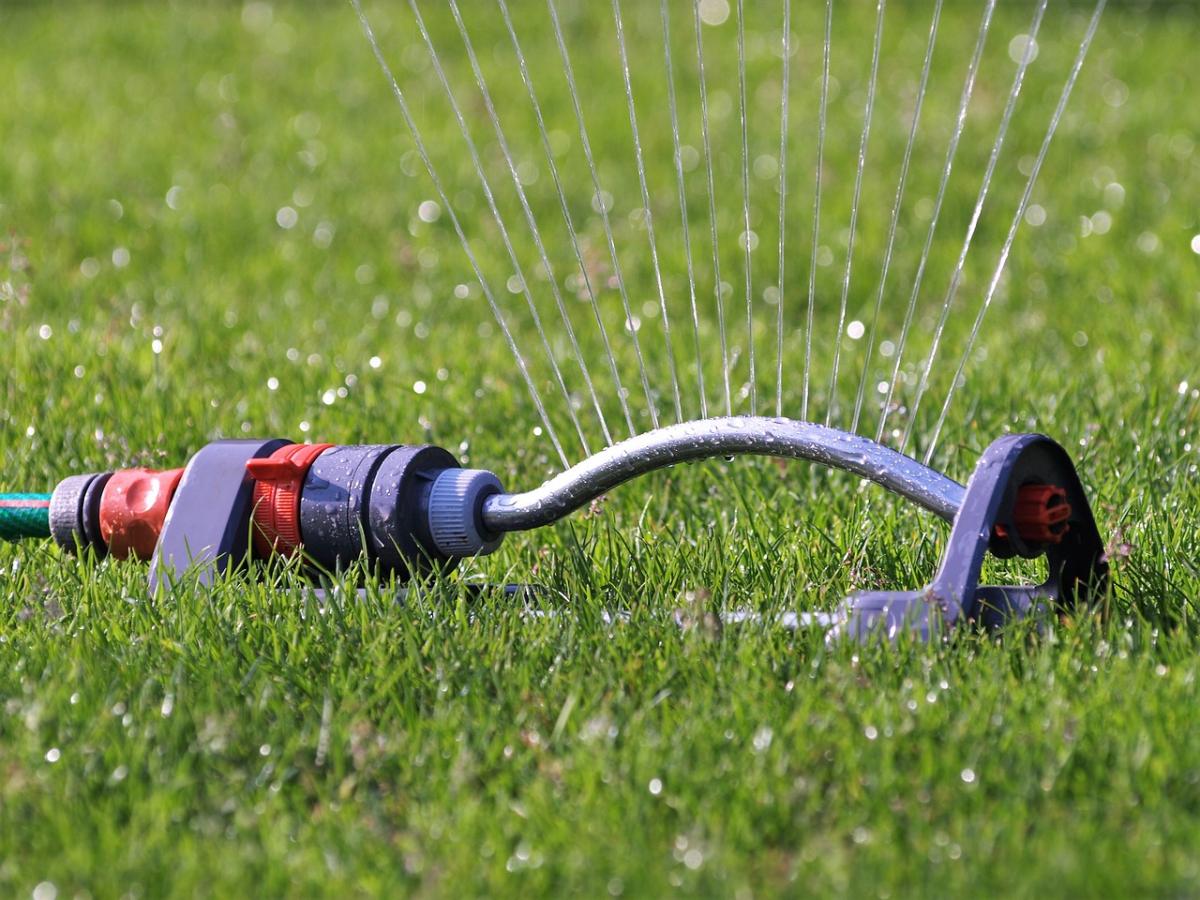
Using a sprinkle system can really give your lawn the boost it needs during those dry spells. If you notice your grass looking a bit droopy or turning brown, that’s a sure sign it’s thirsty. Sprinkling some water can help revive it and keep your yard looking fresh and vibrant.
Timing is everything when it comes to sprinkling your lawn. Early mornings or late afternoons are the best times to water. The sun isn’t too harsh, so less water will evaporate. Plus, your grass gets a nice soak to start the day or a refreshing drink after a hot afternoon.
Pay attention to local weather. If it hasn’t rained in a while, don’t hesitate to roll out those sprinklers. But remember, if rain is in the forecast, it’s smart to hold off on watering. Your lawn can only use so much water, and too much can lead to problems like root rot.
It’s also a good idea to set up a timer with your sprinklers. This makes sure you don’t overdo it. Just a couple of times a week is usually enough to keep your grass happy and healthy. A little planning goes a long way in keeping that lush green look you love!
Choosing the Right Sprinkles for Grass
Choosing the right sprinkles for your grass is all about matching the product to your yard’s needs. Think about what type of grass you have. Some grass types thrive in dry conditions, while others need a bit more moisture. Make sure to check your specific grass variety to know what it's looking for.
Next, consider the area you want to sprinkle. Are we talking a small patch or your whole lawn? For small areas, you might want to go for a handheld spreader. It’s super easy to control. But if you’ve got a big lawn, a push spreader can save you time and effort. You’ll spread those sprinkles evenly without breaking a sweat!
Also, look for sprinkles that cater to the season. Spring and fall require different nutrients. In spring, your grass needs that boost of nitrogen to wake up and grow. In the fall, a sprinkle with more potassium helps it prepare for winter. Pay attention to the bag, and you'll get the best results.
Finally, don’t forget about the weather. It’s best to sprinkle your grass when the forecast shows some rain coming. That’ll help the nutrients soak in. If rain isn’t in sight, turn on the sprinkler to help those nutrients mix in with the soil. Your grass will love you for it!
Signs Your Lawn Needs Sprinkling
If you've been wondering whether your lawn needs a good sprinkle, look for some telltale signs. It's not just about how it looks; your grass can actually give you clues when it's thirsty.
One big sign is brown patches. If you see areas turning brown or curling up, that's your lawn's way of saying, "Hey, I need a drink!" Also, if you walk across the grass and it feels crunchy underfoot, that's a clear sign it's time to grab those sprinklers.
Another thing to check is the soil. Stick your finger into the ground a couple of inches deep. If it feels dry and crumbly, the grass definitely needs a sprinkle. A healthy lawn should feel cool and moist just beneath the surface.
Don’t forget about the grass height. If you notice your grass hasn’t grown much lately, it might not be getting enough water. Healthy grass usually grows well and stays lush, so keep an eye on it!
Maintaining a Sprinkler Schedule for Success
Keeping your lawn green and healthy isn't just about the right sprinklers; it’s also about when you water. Setting up a solid sprinkler schedule is key to making sure your grass gets exactly what it needs, without overdoing it.
Start by watering in the early morning, ideally between 4 a.m. and 10 a.m. This timing helps prevent evaporation and lets your grass soak up the moisture before the sun really heats things up. You want to aim for about 1 to 1.5 inches of water each week. This includes rain, so keep an eye on the weather!
During those hot summer days, you might need to run your sprinklers a little longer or more frequently. If your lawn starts looking a bit brown, it's a good sign it needs a drink. For grassy areas that get heavy foot traffic, consider watering a bit more often to maintain that lush look.
Don’t forget to adjust your schedule with the seasons. In spring and fall, you’ll usually need less water. Plus, if you’ve installed a smart irrigation system, you can fine-tune your schedule with the weather updates, which makes things super easy!